Find Alzheimer's Clinical Trials Near You
Take our free online memory questionnaire and discover research opportunities that match your profile. We connect you with leading research centers across the United States.

Select Your Location
📍 California
Research centers in Southern California
📍 Florida
Research centers in Central Florida
📍 Pennsylvania
Research centers in Greater Philadelphia
📍 Nebraska
Research centers in Greater Omaha
📍 Texas
Research centers in Greater Austin
How It Works
Take the Test
Complete our free 5-minute online memory questionnaire
Review Your Results
Discover clinical trials now enrolling that fit your profile
Submit your information
We will evaluate your profile to propose you the most relevant clinical trials
Connect locally
Get connected to the nearest research center
Ready to Get Started?
Take our online memory questionnaire and find clinical trials matching your profile
Start Memory AssessmentWhy Take Our Memory Questionnaire?
👤 For Yourself
- Access potential new treatments before they're widely available
- Receive comprehensive medical monitoring at no cost
- Learn more about your cognitive health through advanced testing
- Take an active role in managing your health
🧪 For Science
- Help researchers understand how Alzheimer's develops
- Contribute to treatments that could help millions of people
- Every participant—whether receiving treatment or placebo—provides valuable data
🌟 For Future Generations
- Clinical trials are the only way to develop new treatments
- Your participation today could lead to breakthroughs for your children and grandchildren
- Join over 400 active Alzheimer's trials currently seeking volunteers in the United States
Learn From Real Participants
Hear directly from people who have participated in Alzheimer's research and discover why they chose to make a difference.
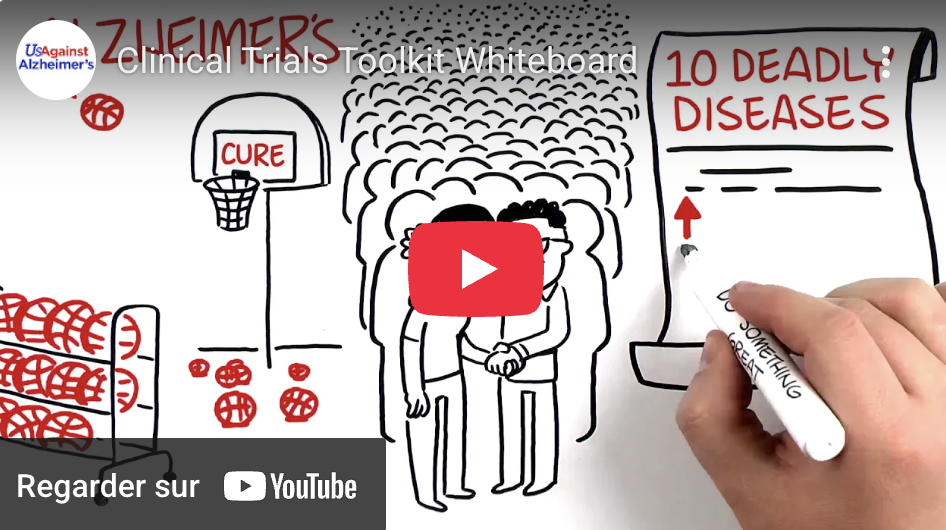
Why Participate? Doing Something Great
A 3-minute animated explainer on how clinical trials work and why your participation matters.
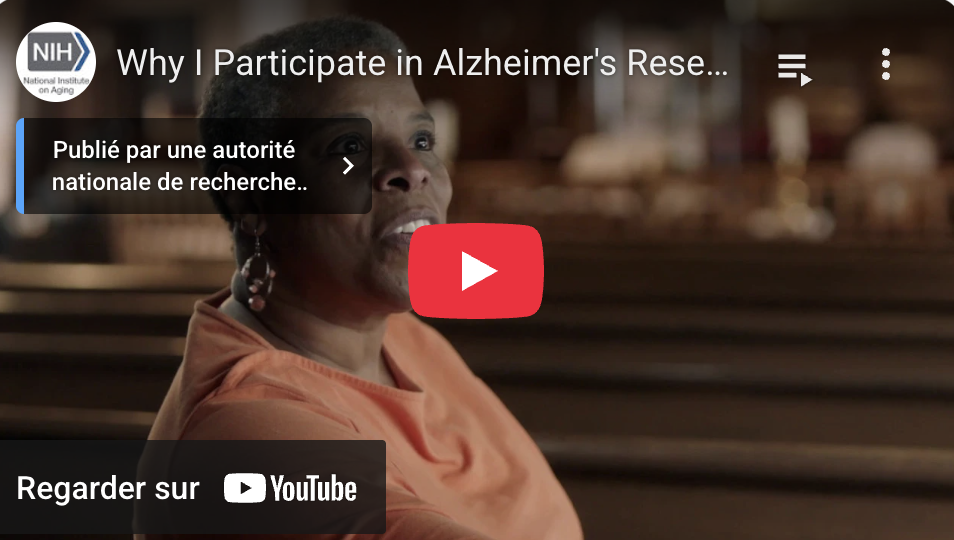
Volunteering for Alzheimer's Research
Real research participants share their experiences and motivations for joining Alzheimer's and dementia studies.
Frequently Asked Questions About Alzheimer's Clinical Trials
What is an Alzheimer's clinical trial?
A clinical trial is a research study that tests new treatments, medications, or diagnostic tools for Alzheimer's disease. These studies help scientists determine if a new approach is safe and effective. Clinical trials follow strict protocols reviewed by the FDA and independent ethics committees to protect participants.
Who can participate in Alzheimer's clinical trials?
Eligibility varies by study, but trials typically look for:
- Adults aged 50-85 with mild cognitive impairment or early-stage Alzheimer's
- Healthy volunteers for prevention studies
- Caregivers or "study partners" who can attend visits with the participant
Each study has specific inclusion and exclusion criteria. Our free memory assessment helps determine which trials may be a good match for your profile.
Is participating in a clinical trial safe?
Patient safety is the top priority in every clinical trial. Multiple layers of protection exist:
- Institutional Review Boards (IRBs) review every study before it begins
- Data Safety Monitoring Committees continuously monitor participant health
- Informed consent ensures you understand all risks before joining
- You can withdraw at any time without giving a reason
What are the potential side effects of Alzheimer's clinical trials?
Side effects depend on the specific treatment being tested. Common experiences include:
- Infusion-related reactions (fever, headache, nausea) for IV medications
- Discomfort from medical procedures (blood draws, MRI scans)
- For newer anti-amyloid therapies: some participants experience brain swelling or microbleeds (called ARIA), which are closely monitored through regular MRI scans
All known risks are explained before you decide to participate. The research team monitors your health throughout the study.
How much time does a clinical trial require?
Time commitment varies by study:
- Screening visit: 2-4 hours (medical exam, cognitive tests, informed consent)
- Treatment visits: typically every 2-4 weeks, lasting 1-3 hours
- Study duration: most Alzheimer's trials last 12-18 months
Some studies offer flexible scheduling and may cover transportation costs.
Will I receive the actual treatment or a placebo?
Many clinical trials use placebos (inactive treatments) to measure how well a new drug works. You may be randomly assigned to receive either the experimental treatment or the placebo. In most studies, neither you nor the research team will know which one you're receiving—this is called a "double-blind" design.
Important: Even if you receive a placebo, you still contribute valuable data to Alzheimer's research. And all participants receive the same high-quality medical monitoring.
Are there costs to participate in a clinical trial?
Most Alzheimer's clinical trials cover:
- All study-related medical exams and tests
- The experimental treatment
- Some studies offer compensation for your time
- Many reimburse travel expenses
You should never have to pay to participate in a clinical trial. Ask the research team about specific coverage before enrolling.
Can I bring someone with me to trial visits?
Yes. In fact, most Alzheimer's trials require a "study partner"—a family member, friend, or caregiver who can:
- Attend study visits with you
- Provide observations about your daily functioning
- Help remember instructions from the research team
This is especially important for trials involving memory or cognitive assessments.
What happens after the clinical trial ends?
At the end of the study:
- You'll receive a final medical evaluation
- The research team may share results with you (though this can take months or years)
- Some trials offer "open-label extensions" where all participants can receive the experimental treatment
- You'll return to your regular healthcare provider for ongoing care
How do I find Alzheimer's clinical trials near me?
DocMemo makes it easy:
- Take our free 5-minute memory assessment
- We match your profile with currently enrolling studies
- Get connected to research centers in your area
We partner with leading research institutions across California, Florida, and Pennsylvania.
Trusted Resources
Learn more about Alzheimer's disease and clinical research from these authoritative sources:
Our Scientific Foundation
Our approach is based on cutting-edge computational modeling research from leading institutions in neuroscience and artificial intelligence.